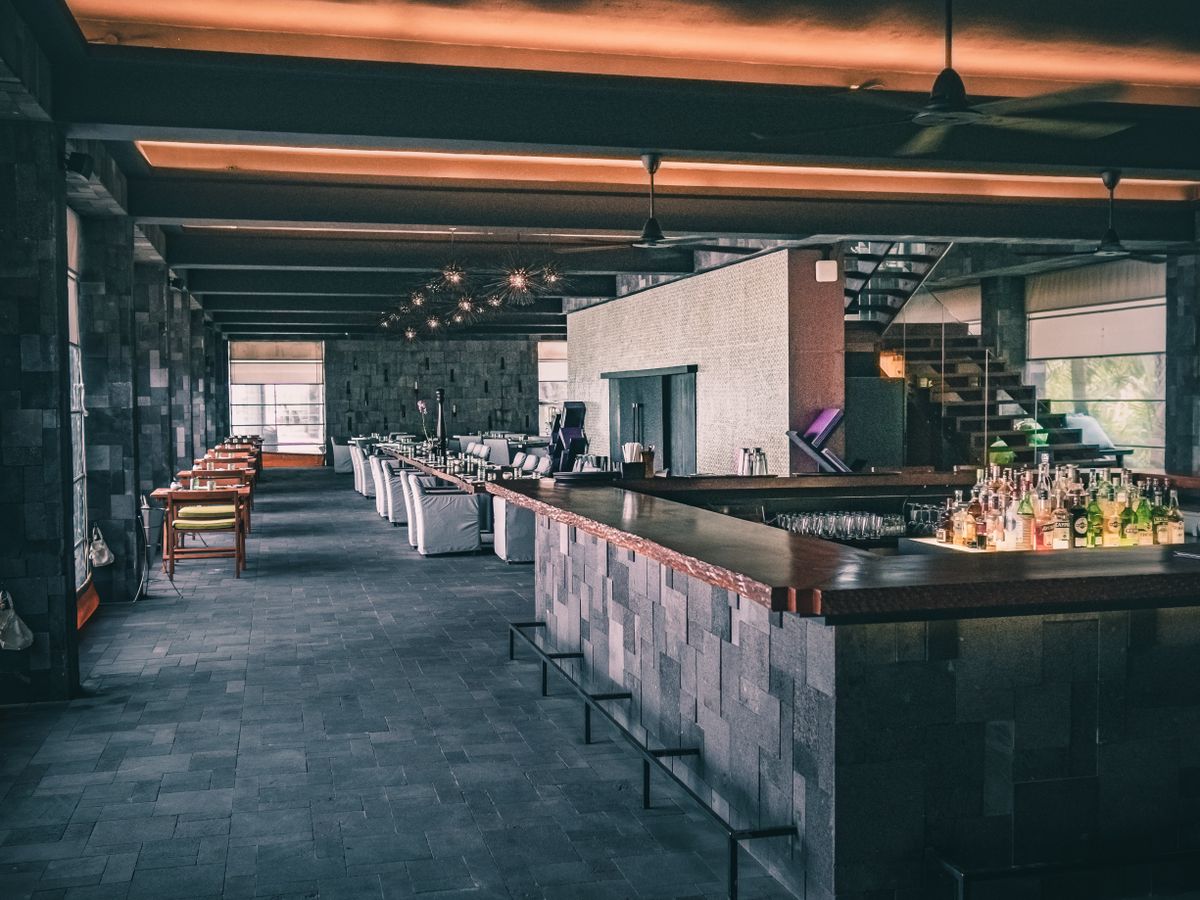
Twenty years ago this neighborhood smelled like a meat locker, because it was one. Today the stretch of Randolph Street west of the river holds more serious cooking per block than anywhere else in the Midwest, and navigating West Loop restaurants has become its own skill: reservation windows, walk-in tactics, price tiers, timing. We have spent years eating our way down Restaurant Row so you can skip the trial and go straight to the error-free part.
How meatpacking became the Midwest's best dining strip
The West Loop's origin story matters because it explains the neighborhood's whole texture. This was Chicago's market district: wholesale produce on Randolph, meatpacking in Fulton Market, loading docks and pre-dawn truck traffic. Oprah planted her Harpo Studios flag here in the era when the neighborhood was still mostly forklifts, and for years the pioneers cooked in rooms that had recently been cold storage. The brick, the timber, the wide streets built for trucks: it is all still there, now holding tasting counters instead of carcasses.
The transformation accelerated through the 2010s as national attention arrived, tech offices moved in, and Randolph earned its Restaurant Row nickname for real. What kept it from becoming a theme park is that the chef density stayed genuine. This is where Chicago's most ambitious cooks open their most ambitious projects, and where the ones who succeed open their second and third. The result is a strip where a casual taverna, a tasting-menu temple, and a burger with a cult all share a block, and all deserve the hype at their respective altitudes.
The anchors, part one: Girl & the Goat and Au Cheval
Two restaurants define the modern West Loop's poles. Girl & the Goat, Stephanie Izard's flagship, has been the neighborhood's beating heart since 2010: a loud, wood-fired, share-plates room where the cooking is aggressive with flavor and the goat dishes are not a gimmick. A decade and a half in, it still books out weeks ahead, which for a restaurant this size is a small miracle of sustained execution. Go with a group, order past your comfort zone, and let the kitchen's confidence carry the night.
Au Cheval is the other pole: a dim, loud diner-deluxe whose cheeseburger became one of the most famous in America, complete with the lines to prove it. Here is our honest take after many patient hours: the burger is genuinely excellent, the wait economy around it is genuinely absurd, and both facts can be true at once. Put your name in early, expect a long quote, and let the text-when-ready system free you to drink elsewhere. Or order the burger at the bar during off-hours and feel like you beat the house.
The anchors, part two: Monteverde, Smyth, The Publican, Avec
Monteverde is where Sarah Grueneberg turned handmade pasta into appointment dining, and the pasta bar seats, where you watch the sfoglini roll and fold, remain some of the best in the city. Smyth occupies the opposite end of the formality spectrum: a tasting-menu restaurant with three Michelin stars, farm-driven and quietly radical, for the night when you want the West Loop's absolute ceiling. It is a special-occasion commitment in every sense, and it rewards the commitment.
The Publican and Avec are the elder statesmen that still outperform. The Publican does pork, oysters, and beer in a great hall built for communal appetite, and its beer program remains a benchmark. Avec, the slender room that taught Chicago to eat at a communal counter, serves Mediterranean plates whose chorizo-stuffed dates have been imitated citywide for two decades and equaled nowhere. Both take walk-ins more gracefully than the newer glamour spots, which makes them load-bearing pieces of any West Loop strategy.
Restaurant Row is not a place you pick a restaurant. It is a place you pick a strategy and let the restaurants happen to you.
How to actually get a table
The West Loop runs on reservation platforms, and the calculus is learnable. Books typically open two to four weeks out depending on the restaurant, and the marquee rooms see their prime Friday and Saturday slots vanish within hours of release. Set a calendar reminder for when your target's window opens; this sounds obsessive and is simply how it works now. Weeknights are dramatically easier, and a Tuesday at a top room beats a Saturday at your fourth choice every time.
- Check for cancellations at midday and late afternoon on the day itself. Tables shake loose constantly.
- Odd party sizes and early or late slots hide inventory: 5:15 and 9:30 are the doors left unlocked.
- Solo diners and pairs should target bar and counter seats, which many rooms hold back from the books entirely.
- Notify lists genuinely work if you respond within minutes, so keep notifications on.
And a note on decorum: if you book multiple restaurants for the same night as a hedge, cancel the losers early. The rooms remember, and this neighborhood is smaller than it looks.
The walk-in strategy
Reservations are only half the game, because the West Loop keeps real capacity for walk-ins, mostly at bars and counters, and knowing the rhythm beats knowing somebody. The golden windows are the 5 p.m. open, when whole bar tops sit empty for an hour, and the post-9 p.m. ebb, when the first seating clears. The dead zone is 6:30 to 8:30 on weekends, when quoting times becomes a form of dark comedy.
Weather is an underrated variable in walk-in math. The Row's crowds are remarkably fair-weather, and a cold rain on a Friday can turn an impossible room merely busy. May's first genuinely hot weekend produces the opposite effect, flooding every patio and pushing indoor waits down. Watch the forecast the way the restaurants do, and you can arbitrage the difference between what the weather predicts and what the crowds assume.
Build a two-restaurant plan: put your name in at the target, then drink and snack at a nearby bar until the text arrives. This is the neighborhood's native mode, and it converts waiting from a punishment into a progressive dinner. Midweek, walk-in life is downright civilized, and rooms that felt impossible on Saturday will seat a pair on a Wednesday with something close to warmth. Rain helps too. Some of our best West Loop meals began with bad weather and low expectations.
The price-tier game plan
The strip supports every budget if you aim deliberately. At the summit sit the tasting menus, Smyth chief among them: real money, booked well ahead, worth it for milestone nights. The broad middle is where the neighborhood lives, the Girl & the Goat and Monteverde tier, where sharing plates keeps the check flexible and the experience maximal per dollar. Below that, the bar-and-counter tier lets you taste the top kitchens for less: pasta at Monteverde's bar, dates and a glass at Avec, oysters and a beer at The Publican.
And the floor is glorious. J.P. Graziano, the century-old Italian grocery on Randolph, makes one of the best subs in America, a lunchtime rite that predates the Row and will outlast us all. The sandwich instinct runs deep here; the neighborhood sits within easy reach of the city's beef stands, and our full pilgrimage guide to Italian beef in Chicago covers that greasy scripture properly. A day that starts with a Graziano sub and ends at a tasting counter is the West Loop in one sentence.
Day versus night: two different neighborhoods
Daylight West Loop belongs to the laptop class. Coffee bars hum, lunch spots turn tables for the office towers, and Randolph feels like a campus with better sandwiches. It is the easy mode for visiting: no lines to speak of, bright rooms, bakery cases worth crossing town for. Weekend brunch has grown into a genuine scene of its own, with waits that echo dinner in miniature.
Weekend daytime deserves its own strategy note. Brunch on the Row has matured from afterthought to full second service at several of the big names, and the same booking logic applies in gentler form: reserve where you can, target the early hour where you cannot. The upside of a daylight visit is seeing the kitchens' craft without the evening's sensory overload. The rooms are quieter, the staff has time to talk, and the bill runs meaningfully lighter for cooking from the same hands.
Then the light drops and the neighborhood changes clothes. From Thursday through Saturday night, Randolph becomes a promenade: valet stands, birthday parties in heels navigating brick sidewalks, bar spillover, the whole theatrical economy of a restaurant district at full song. Some people find peak-night Randolph electric and some find it exhausting, and both camps are correct. Our rule: first visit, go at night for the spectacle. Every visit after, let the meal you want pick the hour, and remember that Sunday evenings are the neighborhood's best-kept secret, loose and unhurried with the weekend crowds gone.
Beyond Randolph: the Fulton Market spillover
Restaurant Row gets the headlines, but the blocks just north have quietly built a second center of gravity. The old Fulton Market district, once the wholesale meat corridor itself, now mixes big-name kitchens, hotel dining, cocktail rooms, and the corporate campuses that keep them all busy. The energy is slightly newer, the rooms slightly bigger, and the average check slightly shinier. It is different enough from Randolph to deserve its own map, which is exactly why we keep a separate guide to Fulton Market restaurants updated in parallel with this one.
The practical takeaway: treat the two zones as one walkable dining district with two personalities. When Randolph's books are jammed, Fulton often has room, and vice versa. Ten minutes on foot covers the span, which turns a sold-out night into a rerouted one rather than a ruined one. This flexibility is the single biggest advantage locals have over visitors who fixate on one famous room and call the whole neighborhood full.
Drinks before, drinks after
A West Loop dinner deserves bookends. Before: the neighborhood's cocktail bars and hotel lobbies fill the pre-reservation hour gracefully, and an aperitif stop is the civilized way to absorb an early booking slot. After: walk it off heading toward the skyline views. The district and its edges have sprouted a crop of view-blessed terraces, and several entries in our roundup of rooftop bars in Chicago sit within an easy ride of Randolph, where a nightcap with the Loop glittering in front of you closes the evening properly.
May is the moment for exactly this. Patio season has arrived in earnest, the sidewalk tables are out along the Row, and the neighborhood is at its annual best: warm enough to linger, not yet summer-swamped. Book something ambitious, keep something loose, and give the evening room to sprawl. When Randolph Street is booked solid, walk a few minutes south into Greektown, where the saganaki still arrives on fire and a table is usually possible. The stockyards-to-stardust arc of this neighborhood took a century to build. The least you can do is stay out late in it.
FAQ: West Loop dining
How far ahead should we book West Loop restaurants?
For marquee rooms, watch for the reservation window to open, typically two to four weeks out, and book within hours for weekend prime time. Tasting-menu restaurants like Smyth need the most lead time. Weeknights are far more forgiving, and day-of cancellations surface regularly on the platforms if you check around midday.
Is the Au Cheval burger worth the wait?
The burger is excellent; the multi-hour peak waits are not mandatory to experience it. Put your name in early, drink elsewhere until the text arrives, or aim for off-peak hours when the quote drops to something humane. Treating the wait as a neighborhood bar crawl rather than a sidewalk vigil is the local approach.
What is the best cheap eat in the West Loop?
J.P. Graziano on Randolph, the century-old Italian grocery whose subs rank among the best sandwiches in the country. It is a lunch operation, so plan accordingly and expect a line that moves fast. For a sit-down bargain, bar seats at the big-name rooms let you eat a top kitchen's greatest hits without the full-table check.