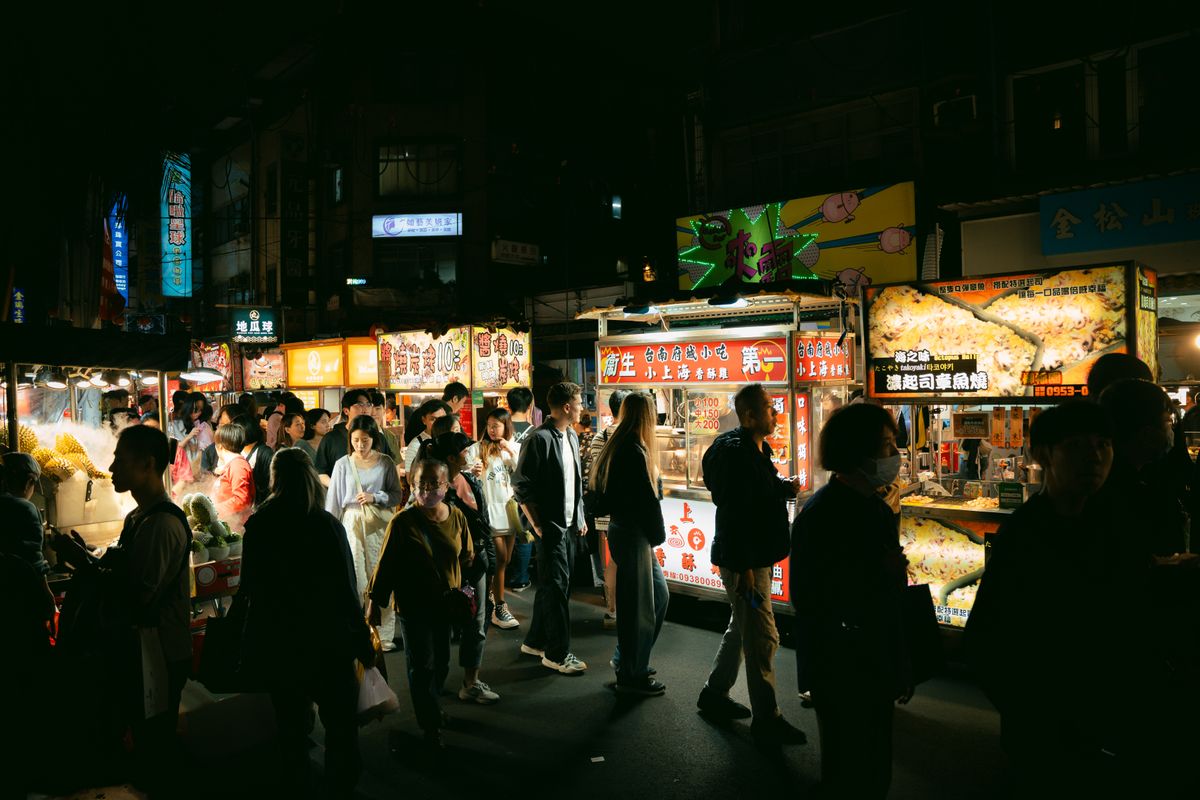
Every spring the question lands in our inbox like clockwork: are Chicago food tours actually worth the money, or should we just eat our way around on our own? The honest answer is that it depends entirely on the format, and the formats vary wildly. We have tagged along on the classics circuits, the pizza crawls, and the neighborhood tasting walks, notebook in hand and stomach at the ready. Here is the full comparison, with no sponsor to please.
What a food tour actually is, and is not
Strip away the marketing and a food tour is three things bundled together: a walking route, a series of pre-arranged tastings, and a guide who narrates the connective tissue. You are paying for curation and access, not volume. The good ones get you behind counters, into back rooms, and past lines that would otherwise eat your afternoon. The mediocre ones walk you to places you could have found on any map and hand you a sample you could have bought for pocket change.
What a food tour is not: dinner. This is the most common misunderstanding we hear afterward. Most tours deliver somewhere between a heavy snack and a light meal spread across two to three hours, by design, because eight full portions would end the walk at stop three. Calibrate your expectations and your breakfast accordingly. The value question, then, is not "did I get full" but "did I learn things and taste things I would not have found alone." By that standard, some formats clear the bar easily.
The guided classics circuit: greatest hits with a narrator
The most common format is the downtown-or-near-downtown classics tour: deep dish, Italian beef, Chicago-style hot dogs, maybe caramel corn, stitched together by a guide telling the immigration and industry stories behind each one. Chicago Food Planet, one of the longest-running operators in the city, built its reputation on exactly this kind of route through neighborhoods like the Gold Coast and Wicker Park, and the format works because Chicago's signature foods genuinely carry good stories.
A variant worth knowing: the bike-based version. Bobby's Bike Hike, a longtime lakefront operator, has run food-themed cycling tours for years, trading some tasting depth for ground covered and lake views collected. Pedaling between snack stops sounds gimmicky until you do it on a warm day, at which point it becomes the most pleasant way to burn off stop three before stop four arrives. Casual riders manage fine; the pace is closer to a roll than a ride.
Who this suits: first-time visitors, mixed groups with cautious eaters, and anyone who wants the canon efficiently delivered. The tastings lean familiar rather than adventurous, which is a feature for some tables and a bug for others. Our advice is to check the stop list before booking. If you have already made your own pilgrimages for pizza and beef, you will spend money re-tasting things you know. If the canon is new to you, a good guide adds real texture that a solo crawl cannot.
The pizza tour: one subject, argued properly
The single-subject tour is the specialist's format, and in Chicago that means pizza. Chicago Pizza Tours has spent years running rides and walks that treat the city's pizza landscape as the serious taxonomy it is: deep dish, yes, but also tavern-style thin crust, the cracker-thin square-cut pie that actual Chicagoans order on actual Friday nights. A good pizza tour makes that argument with evidence, slice by slice, across multiple styles and eras.
This format solves the biggest problem in Chicago pizza tourism, which is stomach capacity. On your own, comparing four pizzerias means four visits and four full pies. On a tour, portions are managed so you can genuinely compare styles side by side in one afternoon. Who it suits: pizza obsessives, style skeptics who think they hate deep dish, and groups who want a single delicious argument instead of a survey course. Book ahead; the weekend runs fill with exactly the people you would expect.
The best food tour guides are not waiters with a route. They are neighborhood historians who happen to feed you.
Neighborhood taste tours: Chinatown, Pilsen, Devon Avenue
Here is where the format earns its highest marks from us. Chicago's great eating neighborhoods reward a guide the way its skyline rewards a docent, because the menus are deep, the storefronts are dense, and the context is everything. In Chinatown, a guided walk can move you through dim sum parlors, bakeries, tea shops, and hot pot in a single arc, with someone who can explain what to order and why. Solo visitors tend to hit one restaurant and leave; a tour shows you the ecosystem.
The same logic holds in Pilsen, where the taquerias, carnitas specialists, and panaderias along 18th Street sit amid some of the best murals in the country, and on Devon Avenue, the great South Asian corridor on the far North Side, where a guide translating a steam-table spread of chaat and biryani is worth the ticket price alone. Who this suits: curious eaters, repeat visitors, and locals who realize they have lived here a decade without properly eating their own city. This is the format we recommend most often, full stop.
How much you actually eat, and how fast you walk
Let us put numbers on the experience, at least roughly. A typical tour runs two and a half to three hours, covers around a mile to a mile and a half of easy walking, and includes five to eight tasting stops. Portions are shared or sampler-sized by design. Most people finish comfortably full but not incapacitated, which is the correct outcome, because the whole point of learning a neighborhood's food is being able to come back for the full-size version of your favorite discovery.
- Group sizes usually land between eight and sixteen. Smaller means more guide access; ask when booking.
- Pace is gentle, with long stationary stretches at each stop. Comfortable shoes matter more than stamina.
- Dietary restrictions are workable at most operators if flagged in advance, though vegetarians will find some classics circuits beef-heavy for obvious reasons.
- Tipping the guide is customary and earned far more often than not.
Skip breakfast or keep it token. Arriving hungry is the single highest-leverage decision you will make.
The self-guided alternative: our honest pitch
Now the part where we argue against the industry we just explained. If you are an independent eater, comfortable with ordering boldly and navigating on your own, a self-guided crawl built from good editorial guides delivers most of the experience at a fraction of the cost, with total control over pace and portions. You lose the storytelling and the skip-the-line access. You gain the freedom to linger an hour at the place you love and skip the stop you would have merely tolerated.
Our neighborhood guides on this site exist for exactly this purpose, and we write them with the crawl in mind: what to order, what sequence makes sense, where the natural pauses fall. The hybrid strategy is the sophisticated play: take one guided tour early in a visit to get oriented and collect context, then self-guide the rest of the trip on the momentum. Guides open doors; after that, your appetite knows the way.
Timing your tour around the Chicago calendar
Season matters more than most operators admit. Late April and May, right now in other words, are the sweet spot: routes are fully running, weather permits comfortable walking, and the crowds are a fraction of what July brings. Once the big season begins, the city's weekends belong to the street-fair economy, and it is worth knowing that many of the Chicago summer festivals are effectively self-serve food tours, with neighborhood restaurants cooking outdoors at approachable portions and prices.
The calendar's biggest gravitational object deserves its own planning. When the giant August music weekend takes over Grant Park, downtown tours sell out or reroute, restaurant lines swell citywide, and eating well requires actual strategy, which is why we maintain a dedicated Lollapalooza food guide for surviving that week deliciously. If your trip overlaps a major festival, book any guided tour well ahead or aim it at a neighborhood far from the epicenter. Devon Avenue does not care what is happening in Grant Park.
Booking tips and red flags
A few rules from our accumulated receipts. Book direct with the operator when you can; third-party ticket platforms add noise and complicate rescheduling. Read recent reviews for mentions of specific guides, since the guide is most of the product. Check the cancellation policy against Chicago weather reality, especially in spring. And treat any tour that will not list its number of tasting stops with suspicion, because vagueness there usually means thin portions ahead.
Private tours deserve a line item here too. Most established operators will run a private version of any route for a group, and per-person the premium is smaller than people assume once you have six or more eaters. For birthdays, visiting parents, or work outings where a conference room would be a crime, the private neighborhood tour is one of the better group activities this city offers. It also solves the pace problem, since a private group sets its own clock.
Red flags worth heeding: routes that lean heavily on chain locations, tours that pad walking time with shopping stops, and any operator promising you will meet chefs at every venue, which is a promise no kitchen's schedule can keep. Green flags: longtime operators with deep neighborhood relationships, caps on group size, and menus that change seasonally. None of this is complicated. The good operators survive on repeat reputation in a city full of people who take eating personally.
The verdict, and what to do after
Worth it? For neighborhood tours in Chinatown, Pilsen, or Devon Avenue: yes, enthusiastically, for almost everyone. For pizza tours: yes, if pizza is the mission. For downtown classics circuits: yes for first-timers, skippable for returning eaters who have done the canon. For everyone: eat light beforehand, wear real shoes, and write down the name of your favorite stop, because the follow-up visit is where a tour pays its real dividend.
And when the last tasting is cleared and your group is standing on a corner, pleasantly full and slightly caffeinated from the coffee stop, do the Chicago thing and extend the afternoon. Every one of these routes ends within a short walk or ride of a great room from our list of the 30 best bars in Chicago, and a well-chosen post-tour drink is the natural digestif. You just spent three hours learning to eat like a local. Drinking like one is the logical next course.
FAQ: Chicago food tours
How much food do you really get on a Chicago food tour?
Plan on the equivalent of a generous lunch spread over five to eight tasting stops in about three hours. Most guests finish full but not stuffed. Portions are deliberately managed so you can taste everything, which is why we advise arriving hungry and treating dinner afterward as optional rather than canceled.
Which neighborhood is best for a food tour?
For depth and discovery, we point most people to Chinatown, Pilsen, or Devon Avenue, where a guide's context transforms dense, unfamiliar menus into an afternoon of confident eating. First-time visitors who want the deep dish and Italian beef canon are better served by a downtown classics circuit before graduating to the neighborhoods.
Should we book a food tour in advance?
Yes, especially for weekends from May through October, when popular routes sell out days or weeks ahead. Spring weekdays are the most flexible. If your visit overlaps a major festival weekend, book as early as you can or choose a tour in a neighborhood well away from the event footprint.